The Sisterhood of the Travelling Menstrual Cup
At Mwandamo, we often talk about cycles. Cycles of bodies, of care, of women supporting women. Sometimes, those cycles travel a very long way.
This is the story of a menstrual cup. Or rather, one thousand menstrual cups, and the many hands, homes, journeys, and intentions that carried them to the women and girls of Northern Tanzania.
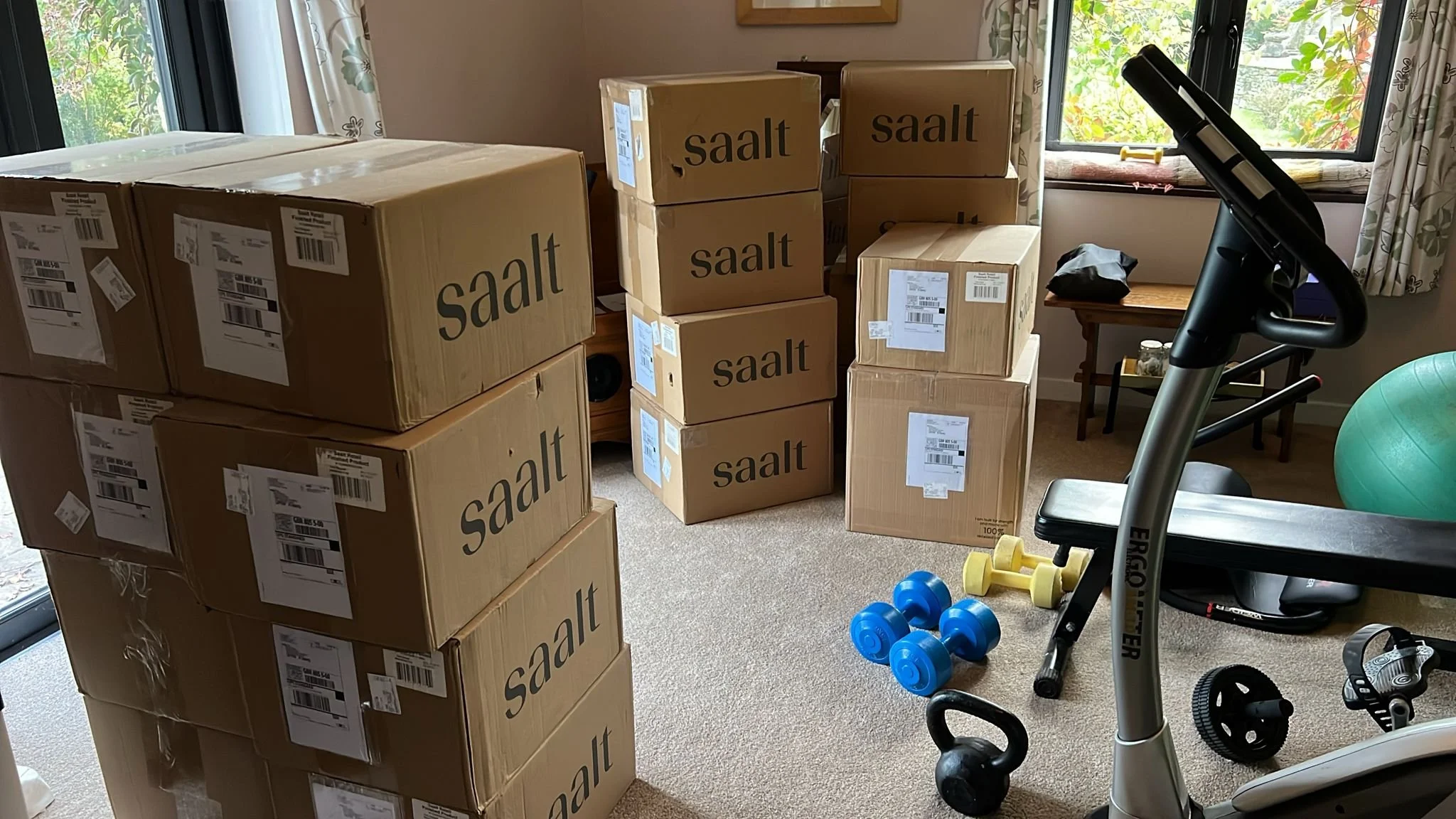
Earlier last year, we reached out to menstrual cup providers around the world, asking if any might be willing to donate cups that we could distribute through our education and community programmes. We were met with generosity, and we are deeply grateful to Saalt.LLP, an American company who donated 1,000 menstrual cups to support this work.
The cups began their journey in the United States, before crossing the ocean to Southern England, where they first arrived at Hannah’s parents’ home. There, the first boxes were opened, cups unpacked, and as many as possible were carefully fitted into suitcases alongside everyday luggage. Clothes, shoes, and the quiet anticipation of what these cups might mean for the women who would one day receive them.
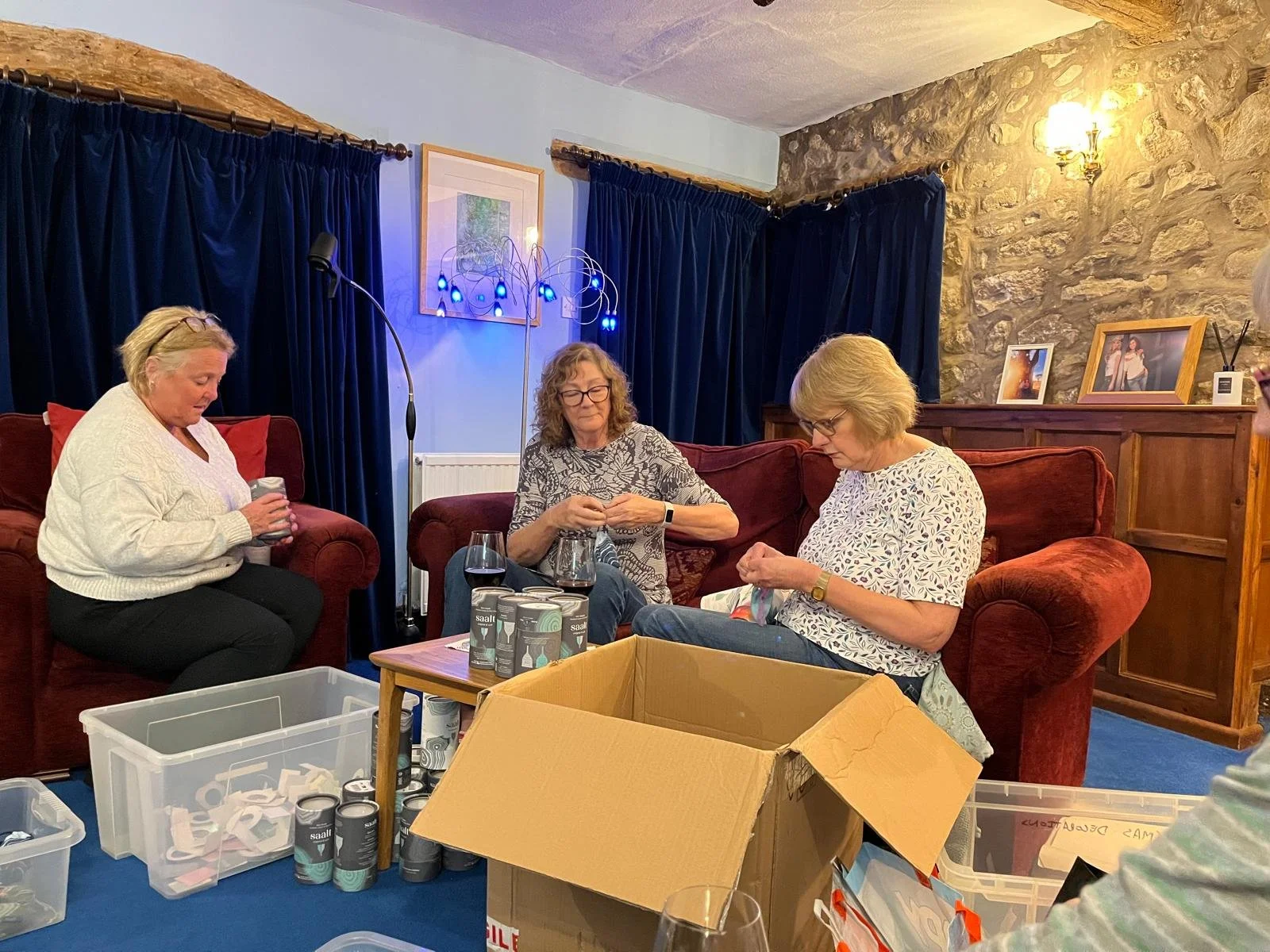
The remaining cups continued their journey north, posted to Caroline’s parents’ home in Northern England. What happened next feels like the very essence of sisterhood. Caroline’s mum gathered her book group friends, and together they hosted a simple wine and cheese evening. They opened hundreds of menstrual cups, chatting, laughing, and carefully repackaging them into vacuum sealed bags, ready to be carried to Tanzania in yet more suitcases. A living room in England became a temporary waystation in a global chain of care.
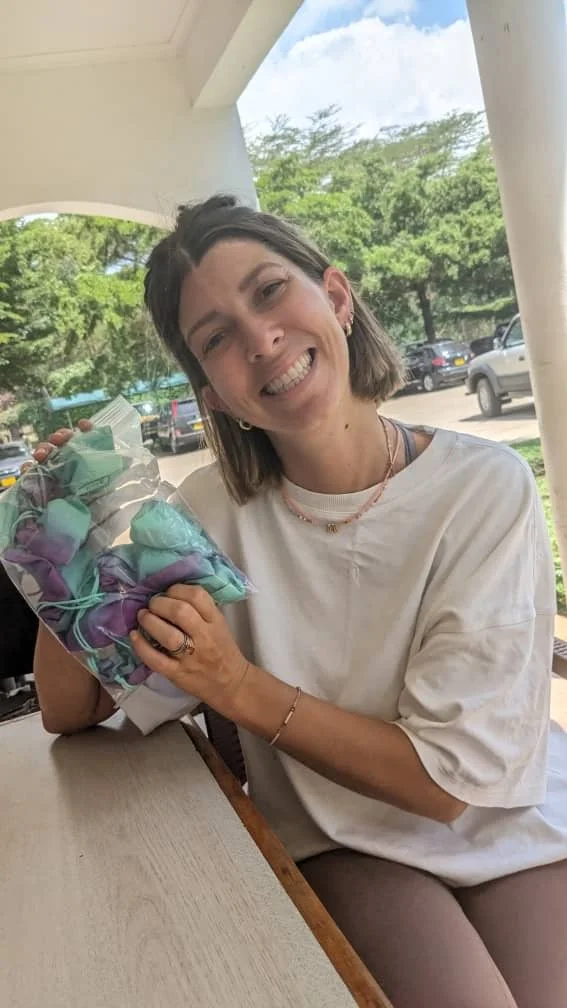
Eventually, the cups arrived in Tanzania, where planning shifted from logistics to people. Our Community Health Officer, Neema, asked if she could take some of the cups to a local orphanage. So Caroline packed them into her backpack, climbed onto her motorbike, and travelled along rough roads, weaving past herds of cows, goats, and sheep, to meet Neema at the local shops. Sitting together outside, the two women exchanged the cups, quietly and practically, as women so often do.
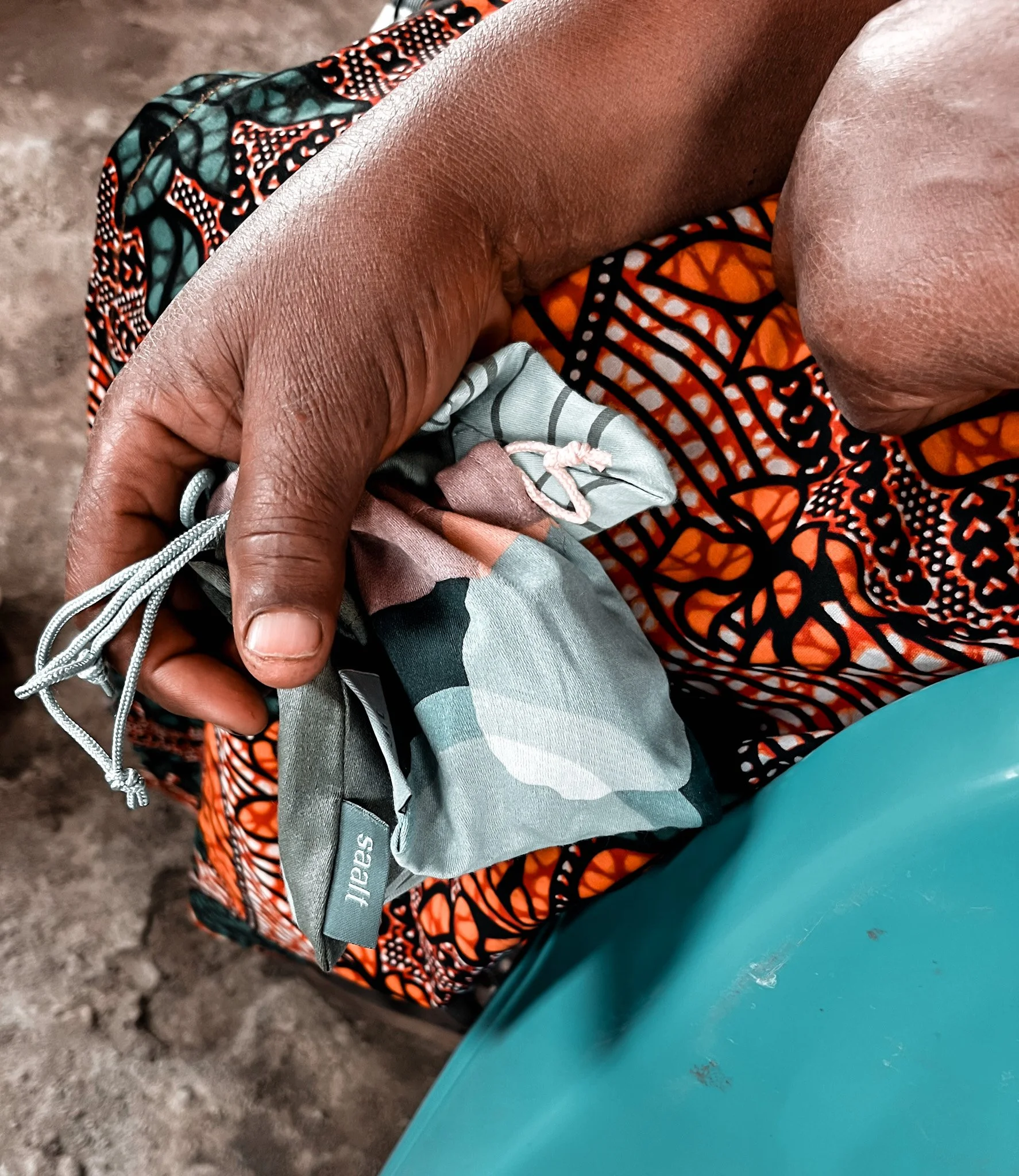
From there, Neema carried the cups home. The next day, she boarded a dala dala, using local transport to reach the orphanage, cups in hand.
One cup. One journey. Many women.
When we pause to think about it, it is humbling. A single menstrual cup may have travelled from America, to Southern England, to Northern England, across the seas again to Tanzania, from home to home, by post, by suitcase, by motorbike, by bus, before finally reaching its new owner.
And with that journey comes hope.
Hope that this one small object might transform how a woman or girl experiences her period. Hope that it reduces worry, cost, and shame. Hope that it allows her to attend school, go to work, move freely, and feel more at ease in her body. Used and cared for well, this single cup may support her for years to come.
The story kept reminding us of a childhood favourite, The Sisterhood of the Travelling Pants. Different lives, different places, one shared object carrying connection, care, and possibility between women who may never meet.
This is what menstrual health work often looks like. Not grand gestures, but countless small acts of generosity stitched together across borders. Women supporting women. Communities carrying each other forward.
And sometimes, a menstrual cup travelling halfway around the world, just to do exactly what it was made to do.