
International Midwives Day - A Conversation Between Co-Founders: Hannah & Caroline
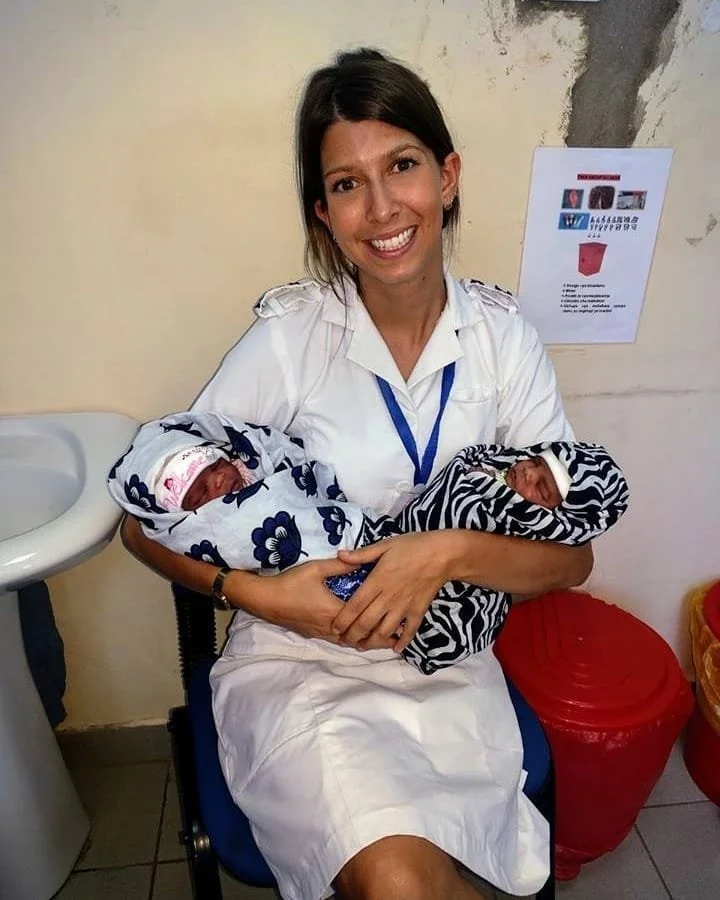
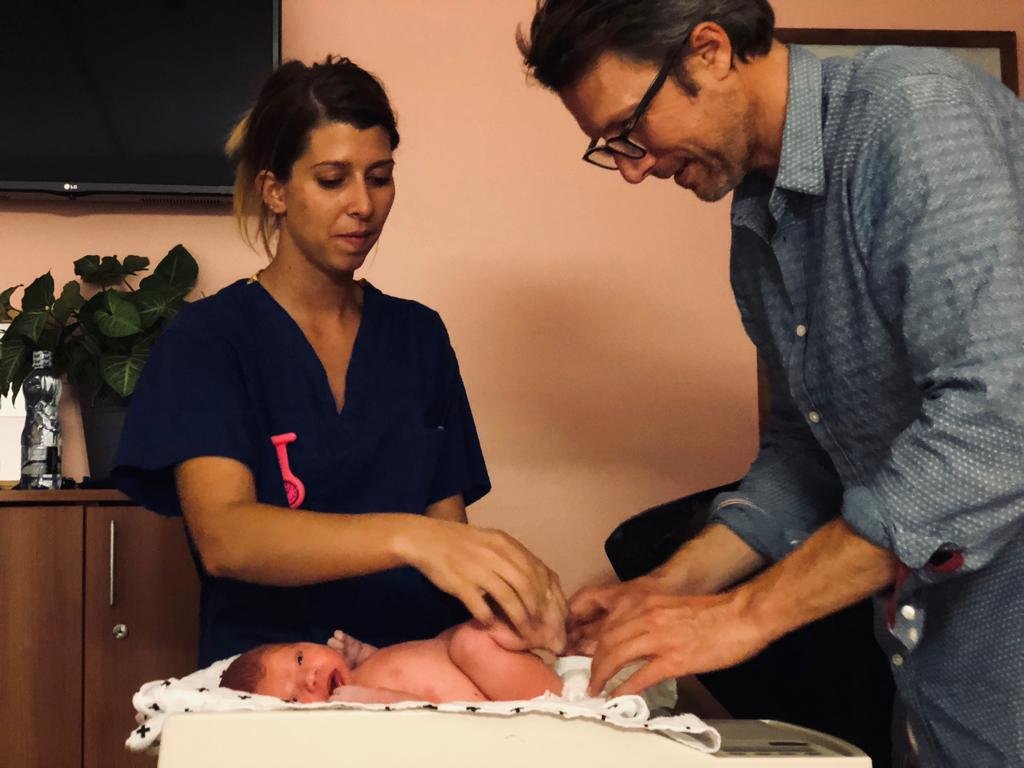
Caroline’s path into midwifery wasn’t exactly planned – but it also somehow makes perfect sense.
Since 2014, she’s been working in Tanzania as a midwife, supporting women through some of the most important moments of their lives.
For International Midwives Day 2026, I asked her to reflect on how she got here – and what midwifery really means to her now.
So… how did you actually become a midwife? Was it always the plan?
Not at all. I went straight to university after school to study fashion and textiles design – midwifery had never even crossed my mind.
But in my first year, two of my close friends became pregnant. It was a shock for them, but I found myself completely fascinated by everything – the antenatal appointments, the scans, the delivery plans.
At the same time, I realised I wasn’t really going anywhere with my degree, so I dropped out and did an access course to midwifery at York College. I loved it – especially a short placement with a community midwife.
From there, I was accepted onto the BSc Midwifery programme at Leeds University, and the rest kind of followed.
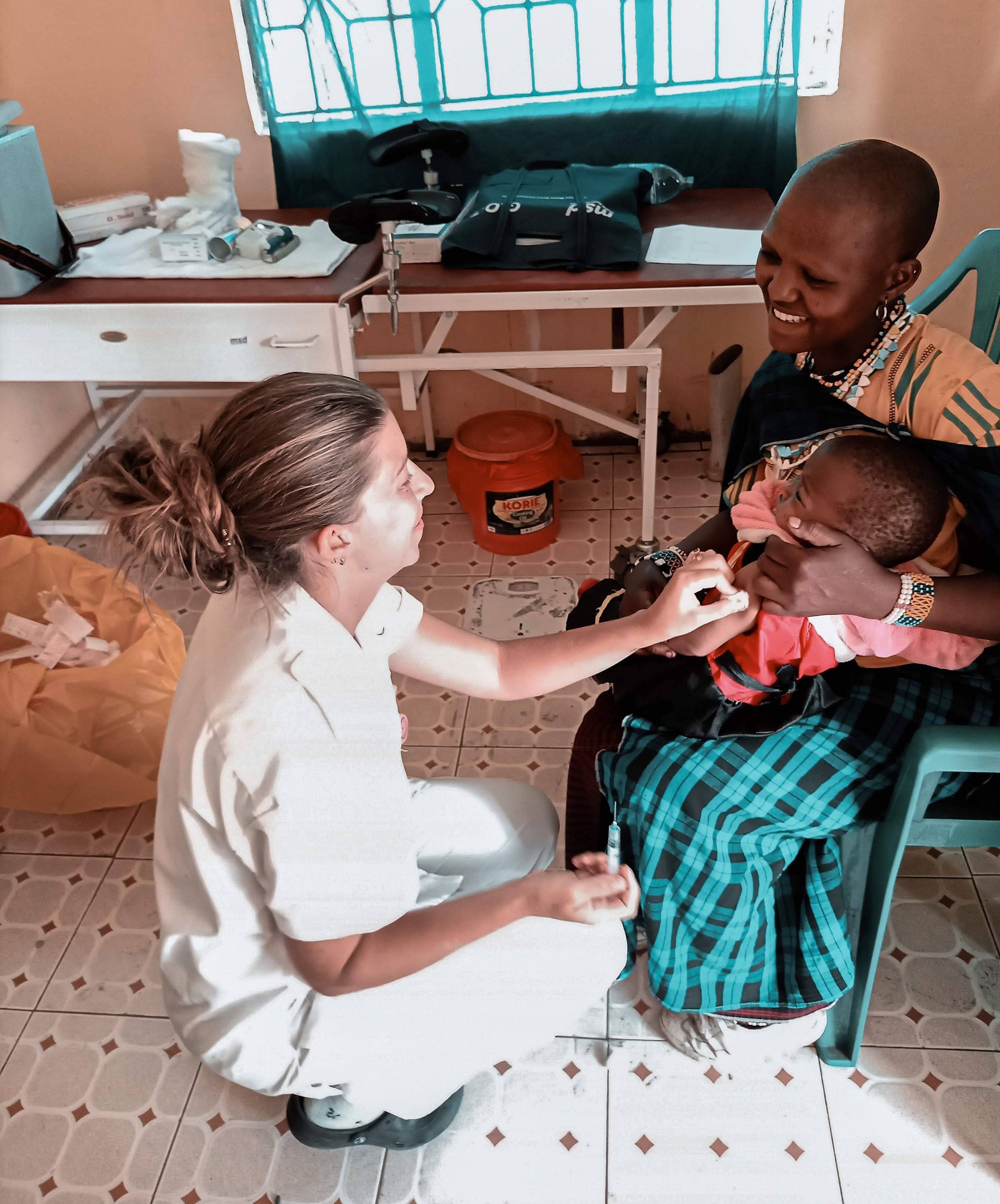
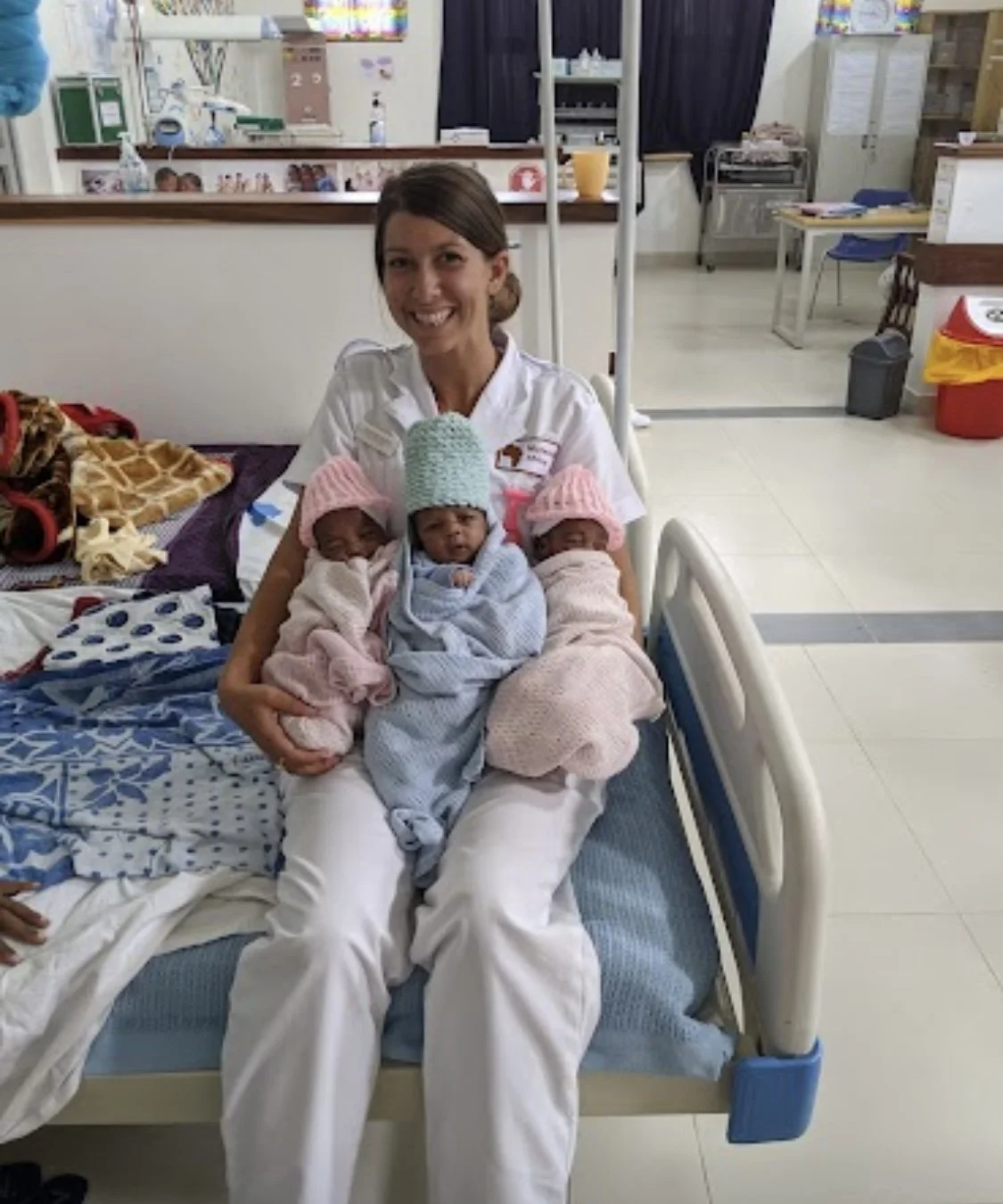
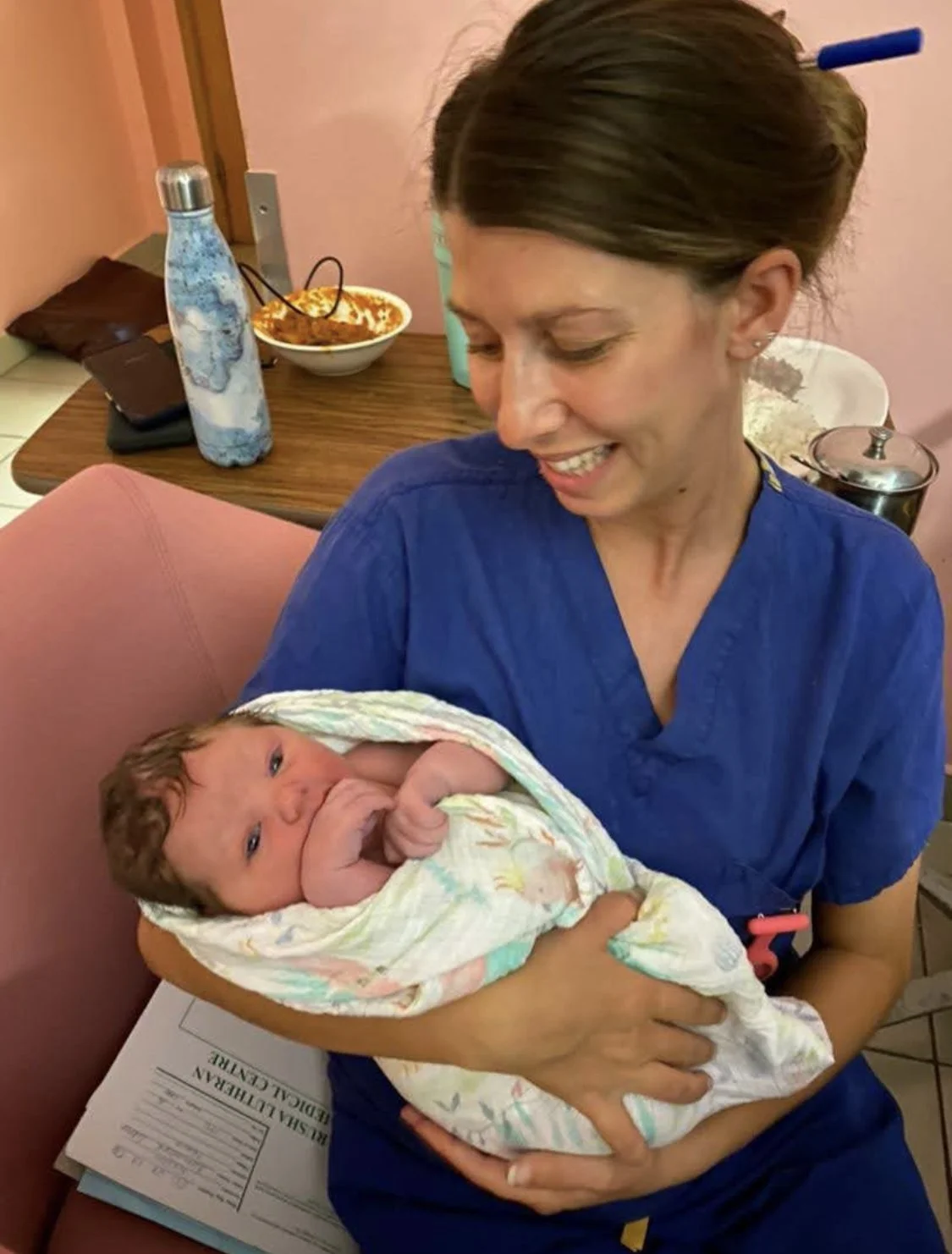
You’ve been in Tanzania for years now – what brought you there, and what made you stay?
In our final year, we had the chance to do a one-month placement anywhere in the world. A friend suggested Tanzania – her parents were living here and offered to host us.
We found a hospital in Tengeru (Mount Meru District Hospital) and ended up delivering quite a few babies… which we definitely didn’t expect as students!
As for what made me stay… 😂 I met Mika (my now-husband). We did two years long distance, and then I came back to “trial” life here – on the condition that he found me a job as a midwife.
So he literally walked into St Elizabeth’s Hospital and asked if his “girlfriend” could have a job. That was 2014.
Now it’s 2026, and I’m back at St Elizabeth’s for the third time.
What does day-to-day midwifery actually look like for you?
It’s a mix of everything.
The day usually starts with a ward round with the doctor, then preparing the labour ward – cleaning, sending equipment for sterilisation, getting everything ready.
After that, it can be anything:
antenatal admissions
women in early or established labour
planned C-sections
managing women with high blood pressure or early rupture of membranes
supporting women through labour and delivering babies
receiving babies from theatre
Then there’s postnatal care – breastfeeding support, post-operative care, medication rounds, vital signs, newborn checks, giving injections like vitamin K, and discharge paperwork.
There’s probably more, but that’s what comes to mind!
You’ve worked closely with a lot of other midwives – what’s been most rewarding about that?
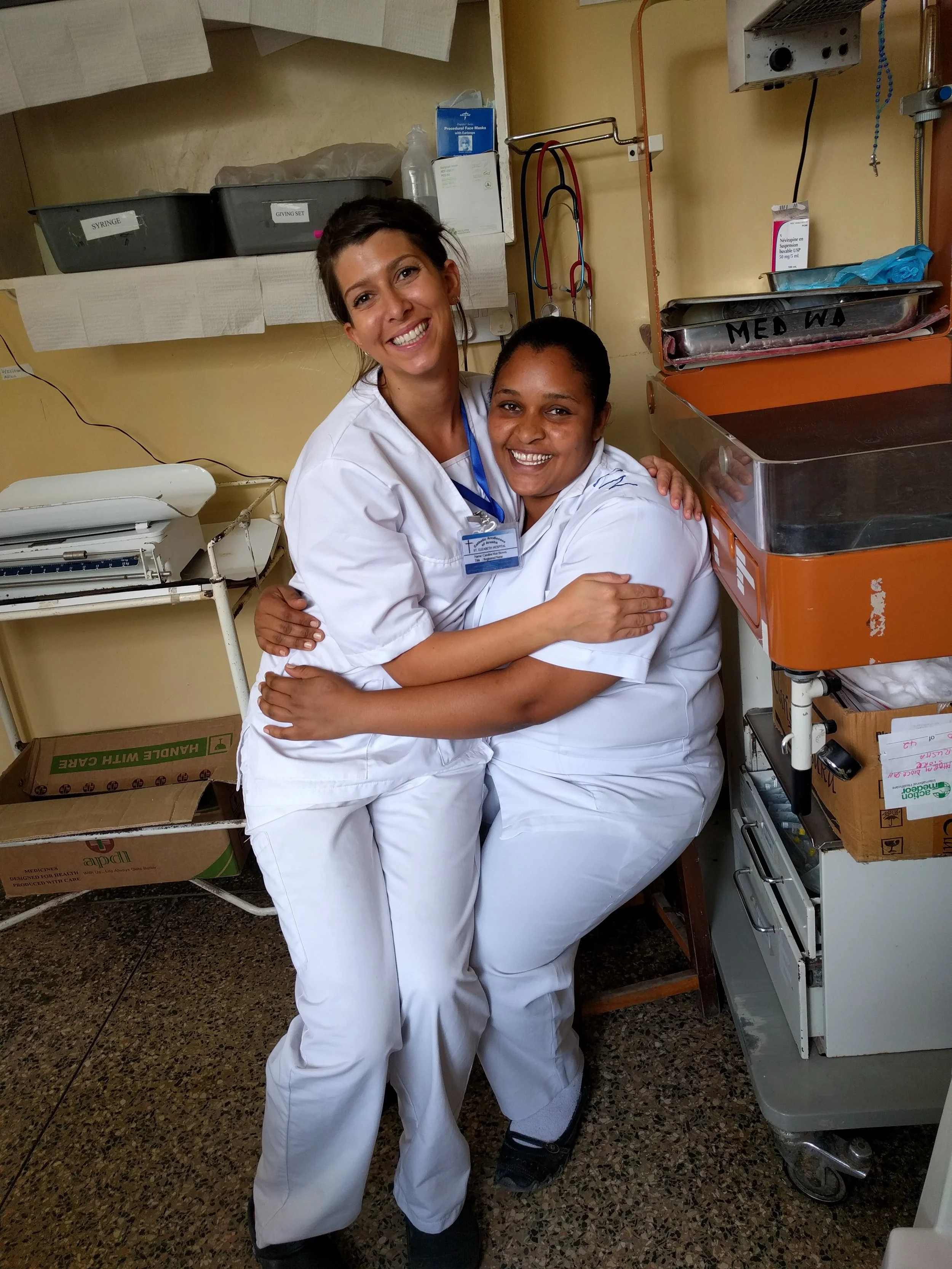
Working as part of a team.
Also, the debriefs – after a difficult or emergency situation, sitting down together and talking through what happened. Midwives love to talk everything through – the woman’s history, what happened, what we learned.
When something intense happens, it’s really rewarding to know you worked well together and managed it as a team.
What’s something about midwifery or women’s health you wish more people understood?
How complex it is.
There isn’t always a clear answer, and so much depends on the individual woman and her body. We sometimes say “midwifery is a closed book” – you can’t ever say 100% how a pregnancy or labour will go.
Every single one is different.
What are the moments that remind you why you do this work?
The small and the big ones.
Small moments are things like helping a baby latch for the first time and watching that first feed.
Big moments are seeing a woman’s face when she meets her baby.
And then there are the everyday things – just being kind, supportive, and helping make someone’s experience a little more positive.
And finally – what’s something your time in Tanzania has taught you?
How strong women are here.
There’s such a strong culture of women supporting women, especially as men are often less involved.
Working in a low-resource setting has also really changed my perspective. Equipment can feel like a luxury – and at the same time, it’s made me realise how much waste there is in Western healthcare. So many things just aren’t necessary.
I’ve also been exposed to more traumatic and difficult situations. That never gets easy, but it becomes more familiar – which is just the reality here.
It’s made me more aware of how often loss happens, but also more motivated. Through education, through my work, through Mwandamo – hopefully we can help change that.
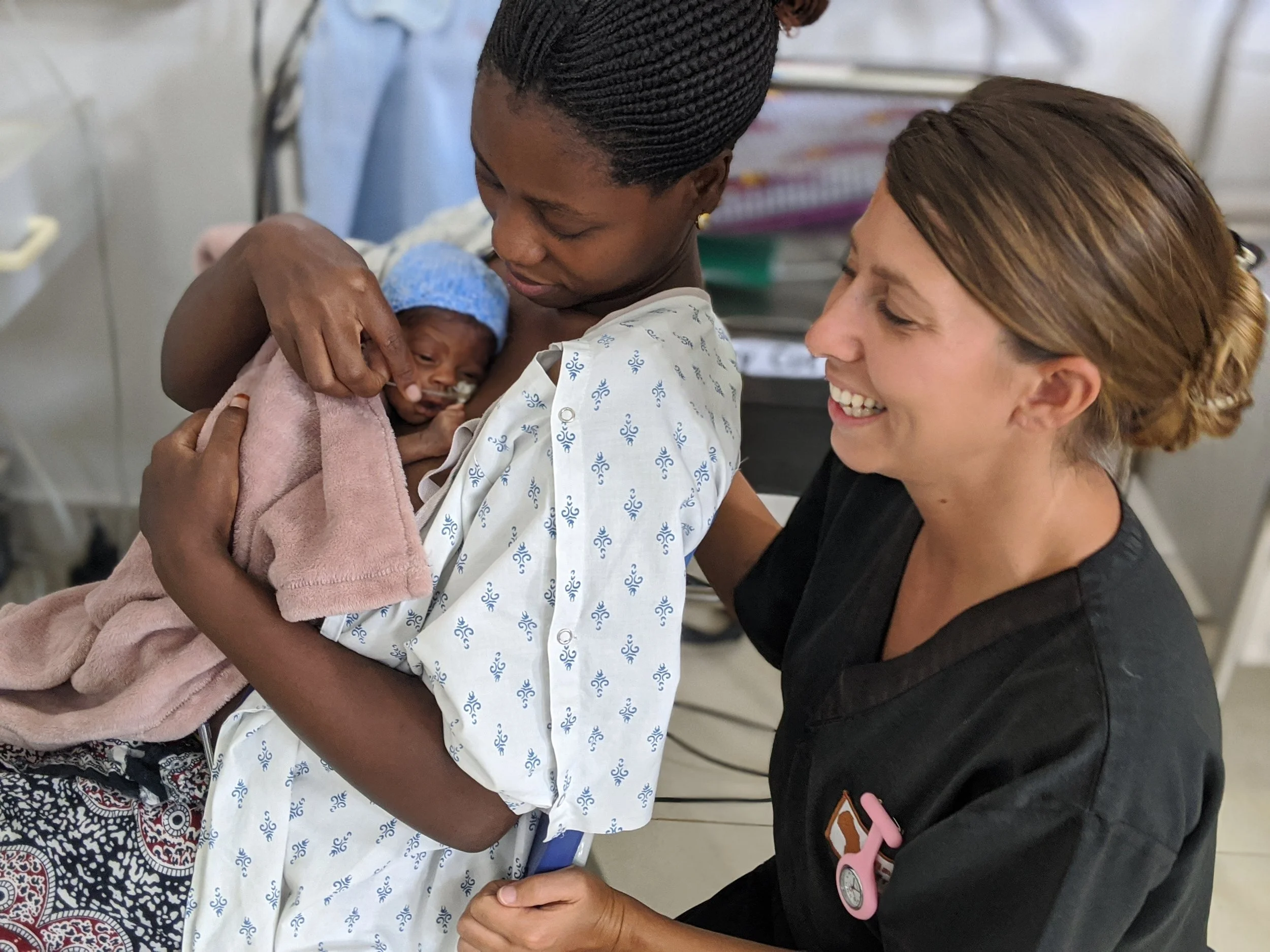
Reflections
What started unexpectedly for Caroline has grown into years of experience, and ultimately into the foundation of Mwandamo.
Through her work in Tanzania – and through Mwandamo – she brings not only clinical skill, but a deep commitment to listening, teaching, and walking alongside women and fellow midwives.
At Mwandamo, that influence shapes everything we do. From community education to supporting more informed, confident decision-making, our work is rooted in the belief that better outcomes start with better understanding – for both women and the healthcare providers who care for them.
Progress in women’s health doesn’t come from one moment – it comes from many: conversations, shared knowledge, small shifts in confidence, and care that treats women with dignity.
This International Midwives Day, we’re celebrating those moments – and the midwives, like our Caroline, who make them happen every day.
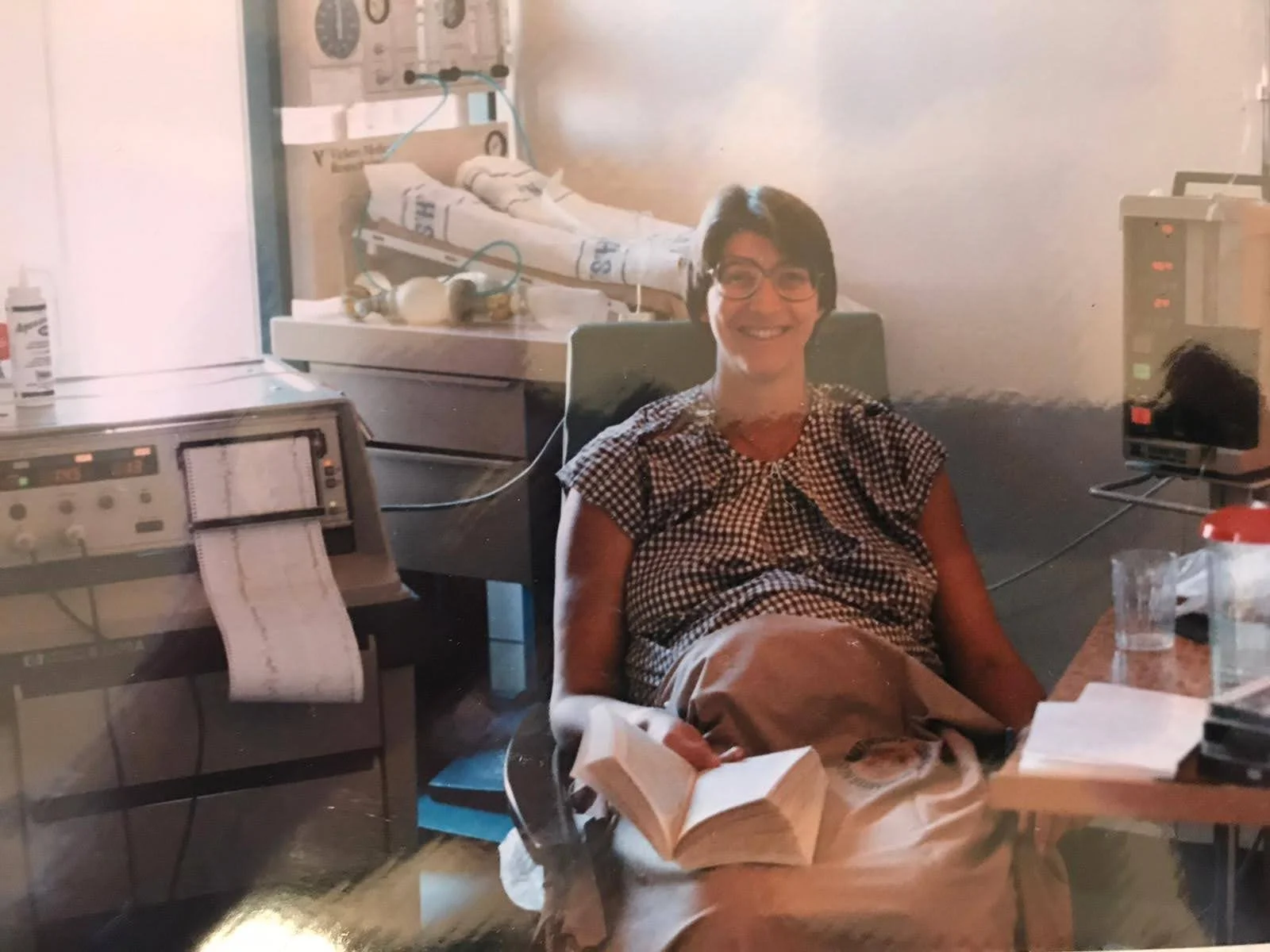
Carolines Mama in Labour with Caroline