
A Visit to Dodoma: Strengthening Dialogue on the Future of Tanzania’s NGO Sector
Some conversations are more than meetings—they are opportunities to listen, learn, and shape the future together.
My recent visit to Dodoma provided one of those opportunities as I joined the Board of Directors of NGOs for an important discussion on the contribution and implications of the amendment of fees applicable to Non-Governmental Organizations (NGOs).
The discussion brought together perspectives on how changes in NGO fees may influence the operations, sustainability, and ability of organizations to continue delivering meaningful programmes to communities across Tanzania.
Listening to the Voices of NGOs
NGOs are an important part of Tanzania’s development landscape. From supporting women and girls to strengthening health systems, improving education, promoting livelihoods, protecting children, supporting vulnerable communities, and advocating for social change, NGOs contribute to development in many different ways.
However, behind every programme is an organization that must also meet administrative, regulatory, and operational requirements.
For this reason, discussions around changes in fees are important. They provide an opportunity to consider the realities faced by organizations of different sizes and capacities, particularly small and community-based organizations that often operate with limited financial resources.
During the meeting, we reflected on the need for continued dialogue and engagement so that NGOs can better understand regulatory changes while also having an opportunity to share the experiences and challenges they face.
More Than a Discussion About Fees
One of my key reflections from the Dodoma visit was that the conversation goes beyond the amount of a fee.
It is also about sustainability, compliance, accountability, and the ability of NGOs to continue serving communities effectively.
When an organization is financially and institutionally sustainable, it is better positioned to plan its programmes, retain skilled staff, build partnerships, comply with regulatory requirements, and deliver long-term impact.
Therefore, creating space for constructive conversations between government, NGO leadership, and other stakeholders is essential.
The Value of Collaboration
The meeting also reminded me of the importance of collaboration.
No single institution can address all the social and development challenges facing communities. Government institutions, NGOs, community organizations, development partners, private-sector actors, and citizens all have different roles to play.
A strong relationship between government and civil society can create opportunities for better coordination, improved accountability, and stronger development outcomes.
For me, the Dodoma visit was therefore not only about discussing an amendment. It was about understanding how we can collectively contribute to building an NGO sector that is responsible, sustainable, compliant, and capable of creating lasting impact.
Moving Forward Together
As the NGO sector continues to evolve, ongoing consultation will remain important.
Changes in policies, regulations, and fees should be accompanied by opportunities for stakeholders to understand their implications, raise concerns, and identify practical ways forward.
My visit to Dodoma reinforced an important lesson: meaningful change begins with meaningful conversations.
By creating spaces where different voices can be heard, we can strengthen partnerships and contribute to an environment where NGOs are able to fulfil their important role in Tanzania’s development.
The conversation continues—and so does the commitment to building a stronger, more sustainable civil society sector.
By Elizabeth Lusingu, Mwandamo Community Health Officer
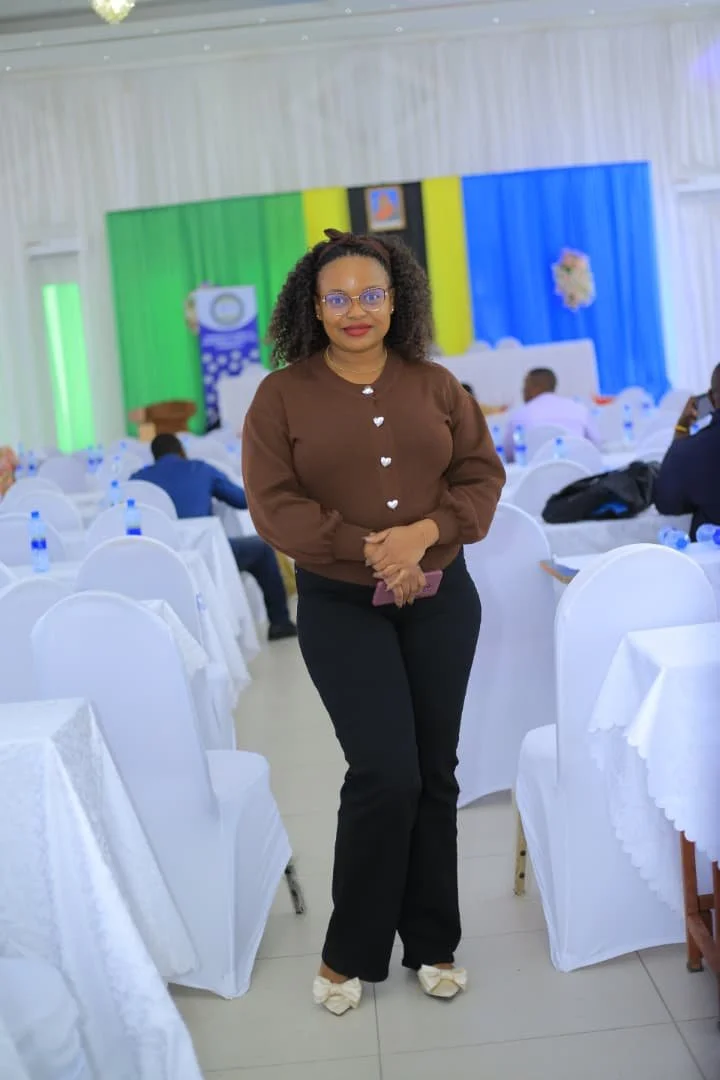
Elizabeth Lusingu representing Mwandamo