
Women’s Reproductive Health: A Shared Responsibility
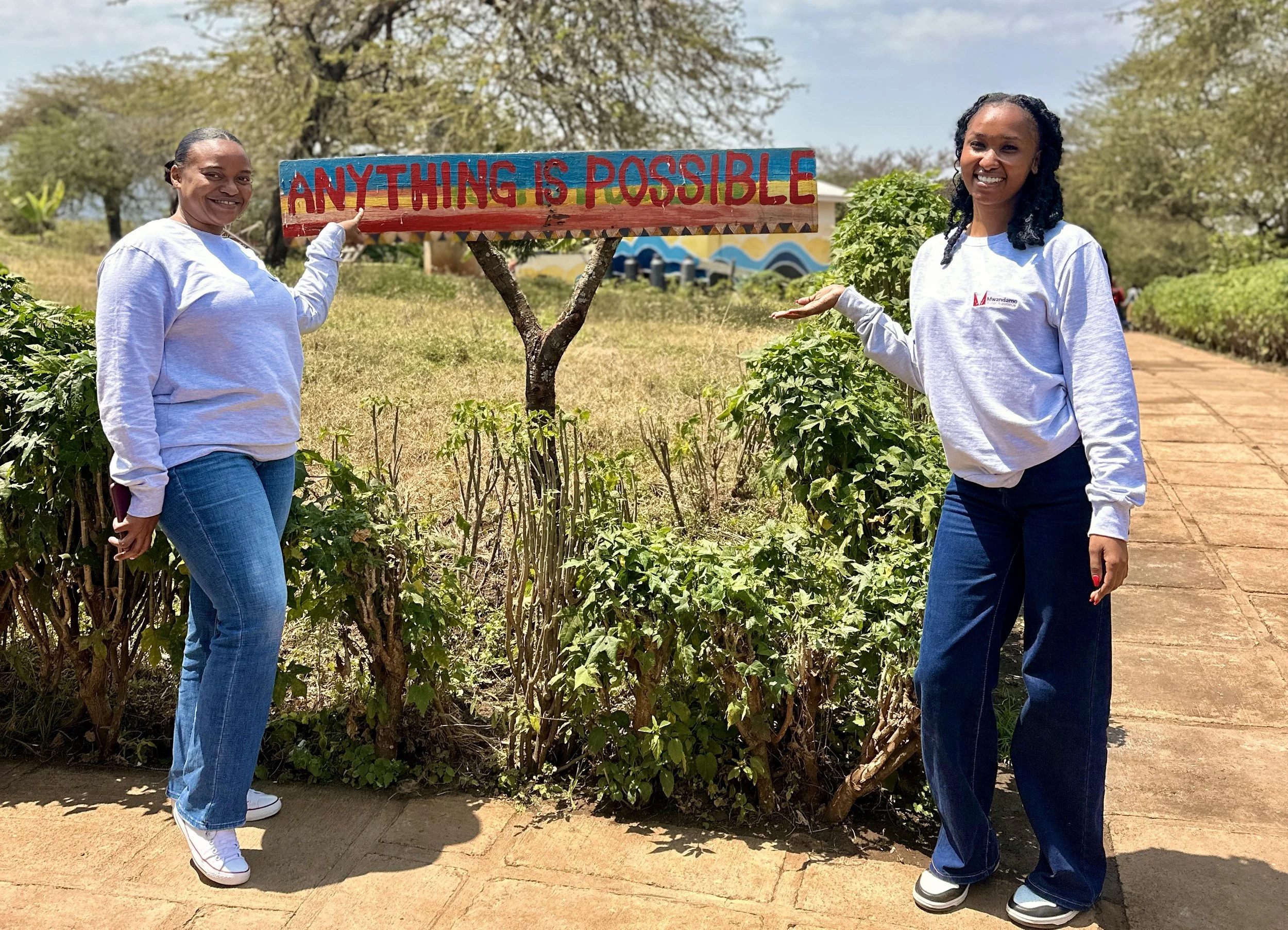
Mwandamo’s Community Health Officers - Elizabeth and Naomi
Introduction:
In many rural communities across Tanzania, women are the backbone of daily life. They cultivate crops, raise children, manage households, and contribute to local economies - often while placing their own health last. Conversations about reproductive health are frequently kept private, shaped by stigma, distance to services, and limited access to reliable information.
Yet reproductive health is not a private burden to carry alone. It is a matter of dignity, rights, and shared responsibility.
This case study explores the experience of Neema, a woman whose story reflects the reality faced by many others in rural Tanzania. Her journey highlights the quiet barriers women encounter - and the transformative impact that accurate information, accessible services, and community support can have on their lives.
Neema’s experience reminds us that improving women’s reproductive health is not only about medical care. It is about awareness, early action, and collective commitment. When communities speak openly, when services are within reach, and when families support women’s health decisions, lasting change becomes possible.
Neema (name changed for her privacy) - Case Study by Elizabeth Lusingu (Mwandamo Women Community Health Officer)
Neema lives in a rural community in Tanzania, where women balance farming, family care, and household responsibilities daily. When she began experiencing heavy bleeding and persistent pain, she stayed silent. Reproductive health issues are rarely discussed openly, and the nearest health facility is far. Like many women, Neema believed this discomfort was simply something she had to endure.
It wasn’t.
During a community outreach visit, a health worker spoke clearly about women’s reproductive health and the importance of seeking care early. Neema learned that ongoing pain and abnormal bleeding are not normal, and that accessing health services is her right. With encouragement and information she could trust, she visited the health center and received the care she needed.
Neema’s story reflects the reality of many women in rural Tanzania. Limited access to services, lack of accurate information, and social stigma continue to prevent women from seeking timely care. These barriers put women’s health and lives at risk.
Call to Action
Improving women’s reproductive health requires collective action. Health information must reach communities where women live and work. Services must be accessible, respectful, and responsive to the needs of women. Families, community leaders, and men all have a role to play in supporting women to seek care early.
When women are healthy, families are stronger, and communities thrive. Investing in women’s reproductive health is an investment in sustainable community development.